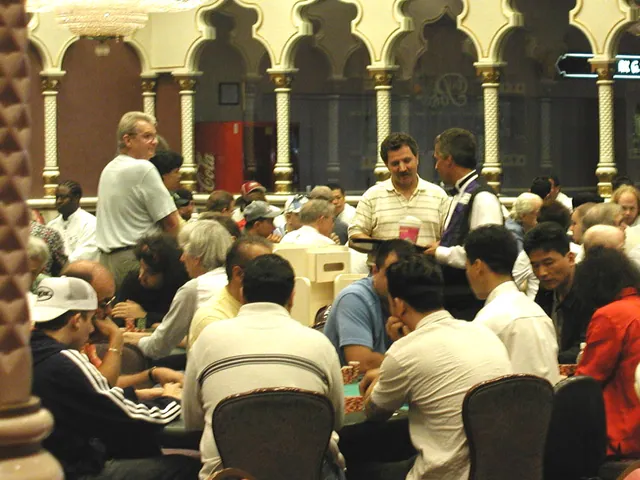
Final table. Ten left. A tight player on my right stacks chips in neat lines. He bets turn, then his hands freeze. He looks at the pot, then away. I see it: the pause is not fear. It is a check of plan. River bricks. He snap bets small. I fold a medium hand. He shows top set.
On this page
- Cold Open: The Hand You Can Feel
- Two Myths to Ditch Before We Start
- Field Notes: What Survives the Jump from Live to Online
- The Table You’ll Actually Use: Live Tells vs Online Timing Proxies
- Protocols You Can Test This Week
- Edge Cases and Leveling Wars
- Live‑Only Subtleties You Shouldn’t Overfit Online
- Online‑Only Timing Traps
- Where Tools and Reviews Matter
- Micro FAQ and Mistakes Checklist
- Closing the Loop Back to the Opening Hand
- Pull‑Quotes to Keep Near Your Screen
- Responsible Play, Age, and Legal Notes
- Author
Cold Open: The Hand You Can Feel
One week later, I face him online. No face. No hands. On the turn, the action stops. His time bank ticks two seconds. He then uses a small bet in the same spot. It feels the same shape as that live pause. I fold again. He later tells me he had it. The lesson is clear: we can read people live and online, but we must translate the signals and test them.
Two Myths to Ditch Before We Start
Myth 1: “Live tells are in the face.” Not true most of the time. The best live hints are in rhythm, comfort, and routine. Does a player touch chips the same way on strong hands? Do they talk more when weak, or go quiet when strong? Good live reads come from patterns. See also broad work on nonverbal signals research if you want a base map of body cues and why they can leak intent.
Myth 2: “Online timing tells are random.” Not always. Yes, lag, auto-buttons, and multi-tabling add noise. But strong timing shapes survive. Fast auto-checks in odd spots, short “think then small-bet” lines on turns, long pauses only on river bluffs — these can be stable. The trick is to build a base rate for each player and each spot. Then you act on gaps from that base.
Field Notes: What Survives the Jump from Live to Online
Some live cues map well to online timing. A steady plan means steady speed. A change in plan often needs time. In live games, you see plan changes in hands, breath, and chip flow. Online, you see them in pause length and bet timing.
On the flop, fast bets tend to show hands players have seen a lot in study: clear c-bets or clear checks. On the turn, more plans split. You often see short pauses where a player checks card removal, nut blockers, or sizing trees. On the river, the pause can mean range math: thin value or missed draw bluff. We are not guessing here. We build a “normal” line per pool and per reg. That base comes from solver use and pool study. For a deeper base on “normal play,” see the University of Alberta Computer Poker Research Group on GTO baselines and opponent modeling.
Key idea: timing tells have value only against a player’s own norm. No norm, no read. A two-second delay from a speed-click reg can be huge. The same two seconds from a four-table rec is nothing.
The Table You’ll Actually Use: Live Tells vs Online Timing Proxies
Below is a working table you can keep open. It translates common live cues into online timing shapes. It also rates reliability and gives a quick test plan. Remember, no single tell is law. You confirm with lines, sizes, and board texture. For a science base on how people show load in choices, see peer‑reviewed evidence on decision cues.
| Hands stop moving when turn hits | Plan change; range recheck; often mid‑strong or draw | Short time‑bank on turn in spots where player was fast on flop | Medium (pool speed matters) | Tag 50+ hands vs same reg in turn probe spots | Mix delayed c‑bets; barrel more with backdoors |
| Instant check with gaze “out of turn” | Low interest; capped range or give‑up | Instant auto‑check in spots where norm is think | Low–Medium (auto‑check button can spoof) | Compare vs same player on same board types | Stab more, but size small until confirmed |
| Forced table talk after betting | Self‑soothing; often strong but fearful of scare cards | Bet then fast turn barrel only on bricks, slow on wet turns | Medium | Log turn speed split on brick vs draw turns | Float more on wet turns; fold more on bricks |
| Chip splash vs neat, planned bet | Loose control vs set plan | Hesitate then odd size (33% or 77% out of norm) | Low–Medium | Track sizing buckets and delay per bucket | Versus odd slow size, favor call vs raise without extra proof |
| Quick bet, eyes back to TV | Auto‑pilot value or auto c‑bet | Snap c‑bet with default size across boards | Medium–High (vs mass‑multi‑tablers) | Note default c‑bet size, board, and speed | Check‑raise more on boards that hit you |
| Breath out, then call | Relief call; medium strength bluff catcher | Short pause then call only vs big sizes | Medium | Filter hands where you used 75%+ pot | Value bet thin less; bluff more with good blockers |
| Over‑act strong (stare, hard posture) | Often weak; trying to sell strength | Long think then check‑raise small on dry boards | Low | Need line + pool data; do not rely on timing alone | Call wider vs small XR if blockers are good |
| Preflop shuffle stops on premium | Focus spike; big hand | Fast 3‑bet only in early pos battles; slow elsewhere | Medium | Split 3‑bet timing by position pairs | Open a bit tighter vs that player early pos |
| Checks chips before you act river | Ready to call; not ready to fold | Instant river call vs small bets; long vs big | High (if sample exists) | Mark river spots by size and time to call | Use big size for value; small for bluffs |
| Counts the pot out loud | Needs numbers to act; thin value or thin bluff | Pause length tied to pot size changes | Low–Medium | Log time vs size across streets | Exploit size tells more than time when unsure |
| Looks at stack after seeing turn | Planning river shove lines | Turn pause, then 60–75% pot set‑up bet | Medium | Tag turn sizes that set SPR ≈ 1 on river | Call turn wider if range blocks river bluff |
| Shaky hands only when bluffing | Stress spike; can be reverse too | N/A live‑only; online proxy is rare | Low online | Do not port this tell to online | Ignore unless backed by line and size |
Protocols You Can Test This Week
Good reads come from good logs. You do not need a huge rig. One or two tables for a few hours is enough to start. Use a tracker if your site allows it. Hand tagging and timing notes save you months of guess work.
Simple baseline plan (3 sessions)
- Session 1 (single‑table, 90 min): For each reg, log three things per street: time to act (seconds), action, size. Note board type (wet/dry), position, pot size.
- Session 2 (two tables, 90 min): Repeat. Mark any big gaps from Session 1. Are delays tied to turn cards? To river size?
- Session 3 (two tables, 90 min): Do one small change yourself. For example, use a 33% pot probe on turns where you used 50% before. Note villain time to react. Do they snap call now? Do they pause more?
Log template (copy this)
- Date / Table / Villain alias
- Street / Board / In or Out of Position
- Action / Size
- Timing in seconds (pre / flop / turn / river)
- Showdown result (if any)
- Note: “fast default”, “short think then small bet”, “long think only on rivers”
Goal: build per‑player base rates. You want to say, “This player snap c‑bets flop on dry boards 80% of the time. When he slows, he has check‑raise or thin value.” With that, your reads move from vibes to numbers.
Edge Cases and Leveling Wars
Some players try to fake timing tells. They slowroll strong hands. They use random timers. They click fast with bluffs to look sure. Here is how to stay safe.
- Do not build a read on one spot. Ask for three or more repeats of the same shape.
- Check if the slow or fast spot lines up with a solver line. If not, it may be fake. Use pool data and opponent modeling in AI as a frame: strong players keep lines that make money first, then style.
- Use cross‑checks: size, line, and blockers. Timing is a tiebreaker, not the whole case.
One contrarian tip: the fastest bet can be the most capped — until it is not. Many regs snap use a default size with air and medium hands. But some click fast with the nuts to balance. Your job is to learn which kind you face.
Live‑Only Subtleties You Shouldn’t Overfit Online
Some live cues do not port to online play. Hand shake, voice tone, chip click speed — these need a body. Online gives you no body. Do not force a map that is not there. Instead, lean on rhythm, line, and size.
Also, live stress can be huge in late stages. This changes breath, pace, and even seat posture. These do not exist online. If you want a sense of live pressure, review the high‑pressure live tournament context that the WSOP shows each year, then ask: what is the online twin of that pressure? Often it is the Sunday major bubble or a final table with pay jumps. Even there, timing differs due to tech and table count.
Online‑Only Timing Traps
Online adds noise you must flag.
- Lag and disconnects: a slow turn click can be Wi‑Fi, not fear.
- Multi‑tabling: a reg on six tables will “time out” more on hard turns.
- Auto‑buttons: instant checks and snap folds can be pre‑clicked.
- Late reg: new seats join mid‑hand and slow the deal.
How to tell noise from signal? Match the pause with line strength. If a player only lags on rivers they bluff, that is signal. If they lag on every third hand at random points, that is noise. Industry studies from the UNLV Center for Gaming Research can help you frame the tech layer if you want to dig deep.
Where Tools and Reviews Matter
Before you trust a pool’s timing tells, check the site. Is the client stable? Are time banks fair? Can you tag hands? If you want a vetted list of safe online casinos with clear software notes and bonus terms, our team keeps one live and test‑based. For live background checks on players and fields, use a neutral live tournament database to see who you might meet at the tables.
Micro FAQ and Mistakes Checklist
FAQ
Q: Are timing tells real if most people multi‑table?
A: Yes, but they are weaker. Build a per‑player base first. Trust multi‑street shapes, not single clicks.
Q: How big a sample do I need?
A: For a strong single read, 30–50 repeats in the same spot is great. For soft reads, 10–20 can guide small tweaks. Always cross‑check with size and line.
Q: Should I hide my own timing?
A: Yes. Use a mix. Count “one‑two” before every easy action. Take a beat on rivers. Do not let your nuts be the only fast bet you make.
Q: Do solvers kill timing tells?
A: No. Solvers set lines. Humans still leak pace and size. Timing helps you tell which solver branch they picked.
Q: What if my site bans HUDs?
A: You can still tag hands and write notes. A simple sheet works. Track only what you will use.
Common mistakes
- Overfit: acting on one slow click one time. Ask for repeats.
- Confirmation bias: saving only hands that fit your guess. Save all hands in that spot.
- Ignoring lines: timing is a lens, not the full view. Start with range vs range, then add timing.
- Forgetting pool speed: a two‑second lag is big in a snap pool, small in a slow pool.
- Not noting tech: mark lag and DCs in notes so you do not misread them as fear.
Closing the Loop Back to the Opening Hand
In the live hand, the pause came from a plan change on the turn, then a small river value bet. In the online hand, the same player showed a short turn bank and the same small river size. The shape matched. I had a base from notes, so the fold was clear. This is the core of good reads: set a base, watch for gaps, confirm with line and size, then act. Do this for one week and your sense of “feel” will turn into skill you can write down and use on demand.
Pull‑Quotes to Keep Near Your Screen
Timing tells need baselines. No baseline, no read.
One click is noise. A pattern is a tell.
Responsible Play, Age, and Legal Notes
Play within your limits. If you need help or advice, visit BeGambleAware. Online poker rules vary by place; check your local laws. You must be 18+ or 21+ where required.
Affiliate disclosure: some links may be affiliate. We use strict review rules. We do not let payouts change our notes.
Author
By: Alex R., online reg (8+ years), live series cashes, over 3M tracked hands. I test timing maps by pool and share results in study groups. SameAs: LinkedIn/Twitter profiles on request.
Share
Read next
 Poker
PokerWhat Allures People Towards Web Slots Gambling?
Newly developed online gambling games called web slots take the world by storm. There’s no need to be intimidated by Las Vegas casinos because you can find slots anywhere, and they’re all free to play.
27 March 2026
PokerThe Decade Phenomenal – Internet Gambling with qq apk
Gambling, by definition, means betting a valuable item in the hope of gaining a particular outcome, which may be by chance a miscalculation or with a consciousness of intent on winning.
14 December 2021
 Poker
PokerAll That You Need To Know About UFABET- Read It Here!
These uncertain times have left some of us jobless, some with reduced pay and some with a lack of motivation and fun. To exercise some risk, why not try your hands at online gambling?
24 September 2021