 New Casinos
How to Choose the Right Online Slot Casino Bonus for You
Choosing the right online slot casino bonus can be daunting, especially if you’re new to online gambling.
06 August 2026
A newly launched casino site has no payout history to look at, which is exactly why the checks that matter are structural: who holds the licence, which studios supply the games, how the terms are written and what the withdrawal rules say before any money is deposited. The articles below cover those checks and the launch offers that go with them.
Figures below are the welcome offers published for Japan by the operators themselves or by Japanese review portals; nothing here is converted or estimated. No online casino holds a Japanese licence, and betting from inside Japan is an offence under the Penal Code — this is a description of the market, not a recommendation to play.








Figures are the welcome offers the operators or Japanese review portals have published; we do not convert or estimate amounts. Links marked “Go to site” are commercial. Online casino play from within Japan is an offence under the Penal Code, and this list is a description of the market, not an invitation to play.
The reference text this section has carried since it was written.
New online casinos pop up all the time. Some are honest. Some are risky. And in Japan, the risk can be higher because the rules and enforcement around online casino gambling are strict and getting stricter. So if you are curious, the smartest move is simple: learn how to check a site before you trust it.
This guide is written in plain English. It shows you how to spot red flags, how to read bonus rules, and how to protect your money and your data. I will also share a short checklist you can use in five minutes.
The word “new” is used in many ways. If you see “new online casino in Japan,” it can mean:
This matters because trust is built over time. A site that is truly new has less public history. That does not make it “bad,” but it means you must check more carefully.
Before we talk about bonuses and games, we need to be honest about Japan. Japanese police and public bodies have warned that gambling on online casinos from inside Japan is illegal, even if those casinos operate legally in another place. This is not a small detail. It is a real risk you should understand.
News reports also show stronger enforcement and more public pressure to reduce online gambling promotion and use. For example, The Jakarta Post reported on Japanese police data about online casino users, and The Japan Times covered how warnings have been repeated publicly.
So what should you do with this information?
This article is for education. The goal is to help you make safer choices and avoid common traps.
If you remember only one part of this page, remember this checklist. A safe-looking site can still be unsafe. A boring-looking site can still be fair. The checks below are what matter.
Many casinos show a “licensed” badge in the footer. That badge alone means nothing. What you want is a license number, a regulator name, and a link to the regulator site (or a clear way to confirm the license).
Basic rules:
Even if a casino is licensed, that does not automatically make it safe for every person in every country. But a real license is still better than no license at all.
A good casino is not shy about its identity. New casinos that hide ownership can be risky, because if something goes wrong, you may not know who to contact.
Check:
If you cannot find clear company details, that is a strong sign to walk away.
Most online casino games use an RNG, which means Random Number Generator. That is the system that decides outcomes in slots and many digital table games. A fair RNG should be tested by an independent lab.
Two known testing names you will often see mentioned are:
What to do on a casino site:
Also note: a lab name is helpful, but it is not magic. The rest of the casino still must be honest about payments, terms, and user safety.
Many players focus on big bonuses. Smart players focus on withdrawals.
Before you deposit, check:
If the casino does not explain withdrawals clearly, that is a big red flag.
KYC means “Know Your Customer.” This is when a casino asks for proof of identity. Most licensed casinos do this to fight fraud and meet rules.
Normal KYC may include:
What you should look for is not “no KYC.” You should look for:
You do not need to be a tech expert. Just do these basic checks:
If a “casino” sends you strange links in email or Telegram, do not click them. Go to the website by typing the address yourself.
Here is a trick that works: contact support before you deposit. Ask one simple question:
If they reply fast and clearly, that is a good sign. If they dodge the question or give copy-paste answers, be careful.
A serious casino should offer tools to help you stay in control:
If you want a simple public guide, GamCare and GambleAware both explain safer gambling in plain language.
Bonuses can be fun, but they are also where most players get upset. Not because the casino “stole” money, but because the player did not read the rules.
Smart move: if you are not sure, do not take the bonus. Play with your own deposit first and test withdrawals with a small amount.
Many “new” casinos try to win players by offering many payment options. That is good, but you still must check speed, fees, and rules.
When you compare payment methods, look for:
If a casino pushes you into only one strange method, be careful. A healthy platform usually offers normal options and clear rules.
Many new casinos look the same. They use the same game providers and the same layouts. That is not a problem. It can even be good, because big providers protect their reputation.
What to check:
If you want to learn how software providers work, or how one provider is used in a different market, it can help you understand the bigger picture. For example, here is a focused page about RTG casinos in South Africa. It is not about Japan, but it shows what people often look at when they judge a software brand: game style, platform behavior, and common player questions.
When a casino is new, you will see less history. That is normal. Reviews can help you compare basics faster, but only if you use reviews in a careful way.
Good reviews do not just say “great casino.” They show facts:
Use reviews as a starting point, not as your final answer. After you read a review, always go back to the casino website and confirm the key rules yourself.
Most problems come from a few simple mistakes. If you avoid these, you avoid most drama.
This is the part many sites skip. A safe player has simple rules and follows them.
If gambling stops being fun, that is a signal to pause. You do not need to “prove” anything to anyone.
Some can be fair and well-run, but “new” also means less history. Use the checklist above: license details, testing info, withdrawal rules, and support quality. If those parts look weak, skip it.
Japanese authorities have warned that using online casinos from inside Japan is illegal, even if the site is licensed overseas. Enforcement and warnings have increased, as reported by The Japan Times.
RNG means Random Number Generator. It is the system that makes game outcomes random in many online casino games. Independent testing bodies like eCOGRA and iTech Labs explain how testing can support fair play.
Look for missing company details, vague license claims, unclear withdrawal rules, and support that cannot answer basic questions. Also be careful with sites that push “urgent” deposits or secret links.
Withdrawals can trigger checks: KYC, fraud review, bonus checks, and bank steps. A good casino explains this clearly and gives realistic timelines.
Only if you understand the key terms: wagering, max bet, max cashout, and time limits. If you feel unsure, skip the bonus and play with a small deposit first.
2FA means two-factor authentication. It adds a second step to login, like a code from an app. It can reduce account theft. NIST has general guidance on stronger login here: NIST Digital Identity Guidelines.
Use HTTPS sites, strong unique passwords, 2FA when possible, and avoid unknown links. If you want a simple list of common web risks, see OWASP Top 10.
New online casinos can look exciting, but looks do not protect you. In Japan, it is also important to understand legal and enforcement risk. If you still choose to explore the topic, do it with a safety-first mindset.
Use this simple plan: pick 2–3 sites, check license details, read withdrawal rules, test support, and start small. If anything feels unclear or pushy, walk away. That one choice can save you money, stress, and time.
New CasinosChoosing the right online slot casino bonus can be daunting, especially if you’re new to online gambling.
06 August 2026
 New Casinos
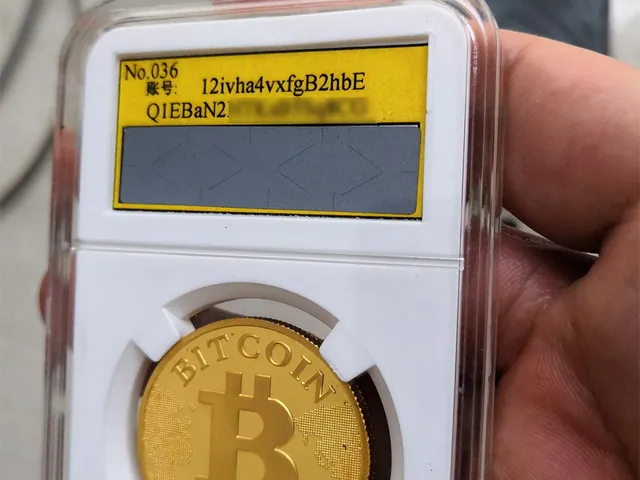
In recent times, more and more players have been turning to platforms that support cryptocurrency . And there are plenty of reasons for this.
13 September 2020